
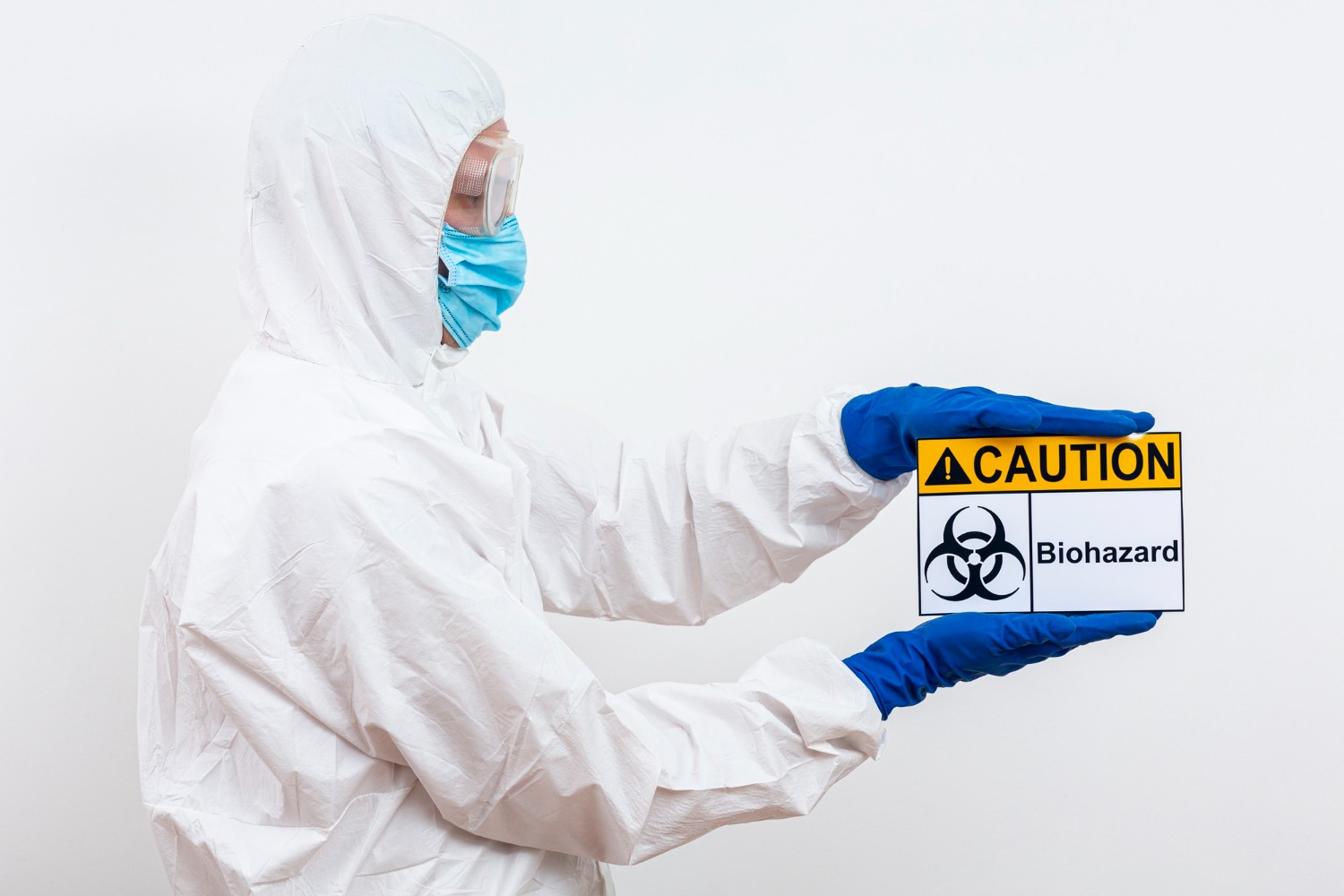
The Concept of Infection Control in Hospitals
The concept of hospital infection control? Undoubtedly, the issue of hospital infection control is a great concern and obsession for healthcare providers, hospital staff, healthcare center workers, and patients receiving treatment or undergoing surgery, as well as hospital administrators, even if they do not interact with patients. This matter is a major and necessary challenge for them to maintain their safety and health from the risk of injury or the transmission of any infection in any form. Therefore, it is essential to learn about hospital infection control procedures.
Concept of Infection Control in Hospitals?
Hospital-acquired infection is an infection or "sepsis" that a patient acquires upon entering the hospital, but it only appears after 72 hours or more. These infections lead to many serious diseases and increase the cost of treatment and care for the infected person. Infection can also be transmitted through air, water, food, insects, or even from the patients themselves, visitors, medical staff, and hospital workers. Infection may be transmitted through handshakes, coughing, sneezing, and other means. The causes of infection are more aggressive and have a superior ability to resist antibiotics. The concept of infection control is defined as following necessary prevention methods and taking health measures that limit the transmission of infection from an infected patient to a healthy person.
Methods of Hospital Infection Control
Infection control methods are a closed circle or an integrated loop of procedures that must be applied to all individuals working in the hospital or health facility. Infection control methods include the following:
1- Hand Hygiene
- They must be disinfected when starting to deal with the patient or after dealing with them, especially when taking samples.
- Commitment to washing and disinfecting hands significantly reduces the spread of hospital infections by up to about 50%.
- When washing hands, ensure they are washed correctly to guarantee the elimination of germs and full cleaning.
- You must rub the palms of the hands together, then rub the back of each hand, ensuring the fingers are placed opposite each other and rubbing the hands together.
- The thumb is rubbed in a circular motion until reaching the area between the index finger and the thumb.
- It is necessary to rub the fingertips on the palm of the hand and also rub the wrists in a circular motion.
2- Intensive Care Units (ICU)
- Intensive care units are among the most important places the infection control department focuses on within any health facility or hospital, because they are equipped with the latest medical care devices.
- All medical staff within the intensive care departments must undergo special training courses and follow everything new that arises in infection control to ensure the safety of ICU patients who suffer from weak immunity.
- Intensive care units should be equipped with the latest medical devices and infection control standards, and there should be an isolator between each patient and the other.
Get Specialized Training in Infection Control
We offer you certified programs to enhance the efficiency of medical staff in applying international safety standards and preventing health facility infections.
3- Emergency Department
- The nature of healthcare within the emergency department differs from other departments in the hospital, as it requires taking patient care measures as quickly as possible, which requires a full understanding of infection control methods in those measures.
- It must be taken into account that blood or any fluids coming out of the patient's body are infectious, and personal protective equipment must be used.
- Wash and disinfect hands well and wear gloves, especially when dealing with blood, and dispose of them directly each time a patient is handled.
- A highly efficient protective mask must be worn when dealing with patients, especially those with an infectious disease such as active pulmonary tuberculosis.
- Ambulance and emergency workers must inform occupational health workers that they may be exposed to pollutants when handling needles, blood, sharp instruments, or anything that can penetrate the skin or mucous membranes.
See also:- What is the importance of infection control within hospitals?
4- Operating Rooms
- Necessary disinfection methods must be followed to prevent contamination and infection transmission to protect the health of the patient and the medical staff.
- Use personal protective equipment such as surgical clothing, gloves, and others.
- The site of the surgical procedure on the patient must be isolated from anything non-sterile surrounding it.
- Sterilize medical equipment and surgical instruments well to maintain a safe environment at surgical sites.
In conclusion, we have clarified the concept of hospital infection and the correct methods and ways to combat it to preserve the health of patients, medical staff, and health facility workers from the transmission of infection to them and their families. If we do not adhere to infection control methods, treating the infection will cost us more and more.
Updated at: 2026-10-05 18:30:59