
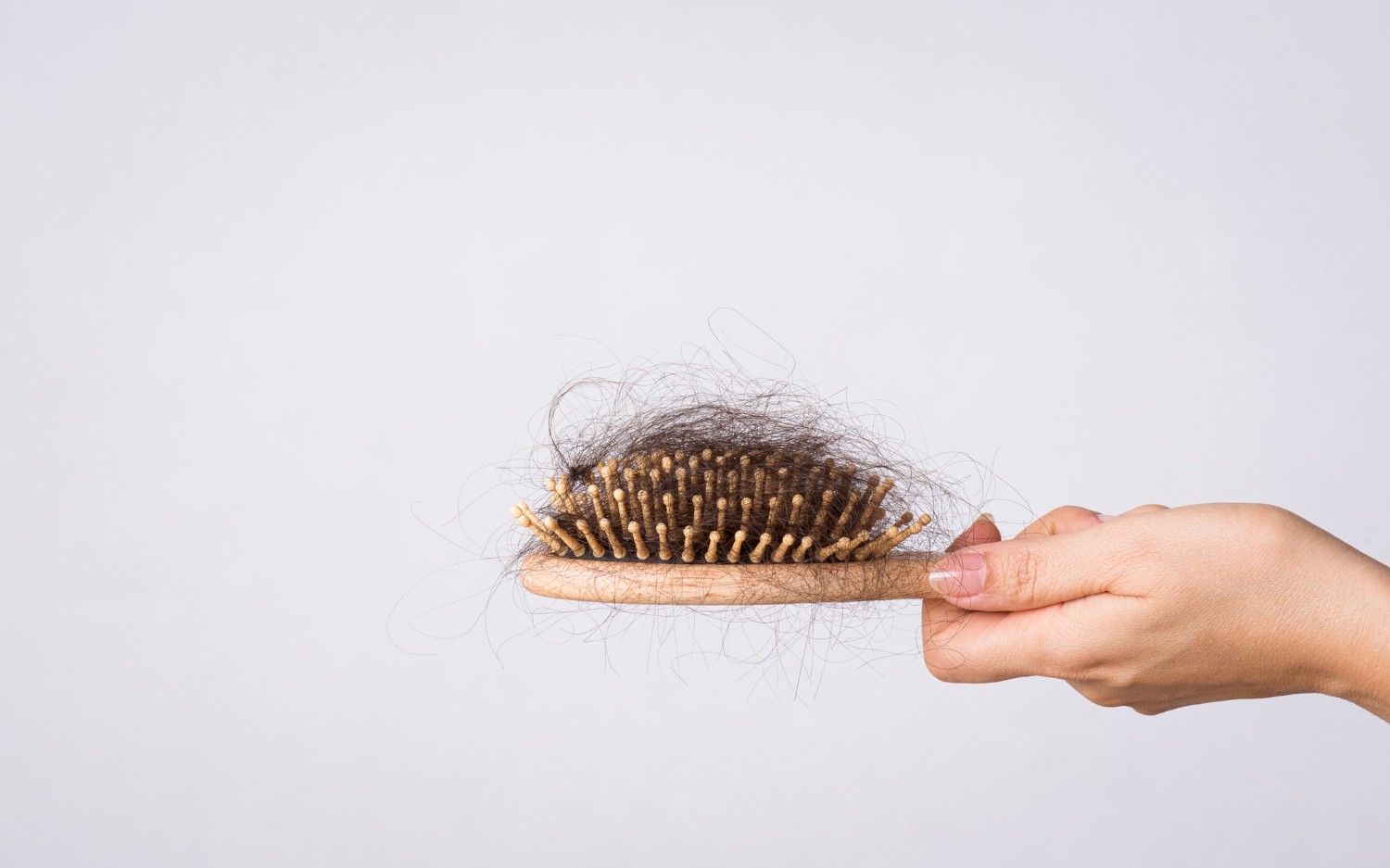
Therapeutic nutrition for treating hair loss
Several studies in therapeutic nutrition have confirmed that dietary habits directly affect both body and hair health. A lack of essential vitamins and minerals needed for hair growth can increase hair loss, weaken hair follicles, and in some cases even lead to baldness.
Hair loss is not only linked to genetics, immune disorders, thyroid problems, or mental health conditions. Poor eating habits also play a major role in weakening hair health and accelerating hair fall.
Research has shown that individuals naturally lose around fifty hairs daily. However, when the body lacks the nutrients required for healthy hair growth, fewer new hairs grow back to replace the lost ones.
Therapeutic Nutrition Tips for Treating Hair Loss
- Avoid fatty foods and excessive sweets, as they may increase insulin production and hormone-like growth factors that can contribute to hair loss and male-pattern baldness.
- Experts in therapeutic nutrition recommend consuming foods rich in biotin such as yeast, lentils, peas, oats, brown rice, soybeans, and almonds.
- It is recommended to avoid foods containing raw eggs because they contain avidin, a protein that may reduce biotin absorption and contribute to hair loss.
- Protein is considered the primary building block of hair. For this reason, therapeutic nutrition programs for hair loss focus on protein-rich foods such as beef, chicken, fish, eggs, legumes, nuts, cheese, and whole grains.
- Many studies indicate that iron deficiency can cause hair loss, especially in women. Iron plays an important role in hair protein production and can be obtained from meat and leafy green vegetables. In severe deficiency cases, iron supplements may be recommended under medical supervision.
- Therapeutic nutrition specialists also emphasize that low Vitamin D levels significantly affect hair health, as Vitamin D supports hair follicle growth. Moderate sun exposure is considered one of its main natural sources.
- Nutrition experts recommend consuming approximately 50–100 mg of zinc daily because of its role in supporting the immune system and promoting hair growth.
- Vitamin E is another important element in therapeutic nutrition programs for hair loss, as it helps improve blood circulation in the scalp and increases oxygen delivery to hair follicles.
- Doctors and nutrition specialists also highlight the importance of the Vitamin B complex, especially when Vitamins B2, B5, and B6 are combined with biotin, as this combination helps strengthen hair follicles and improve overall hair health.
Read Also: Therapeutic Nutrition Articles | Mental Health
💡 Read Also:
Start Now
Learn the fundamentals of therapeutic nutrition and discover how healthy diet plans can improve body and hair health.
Updated at: 2026-10-05 10:14:55