
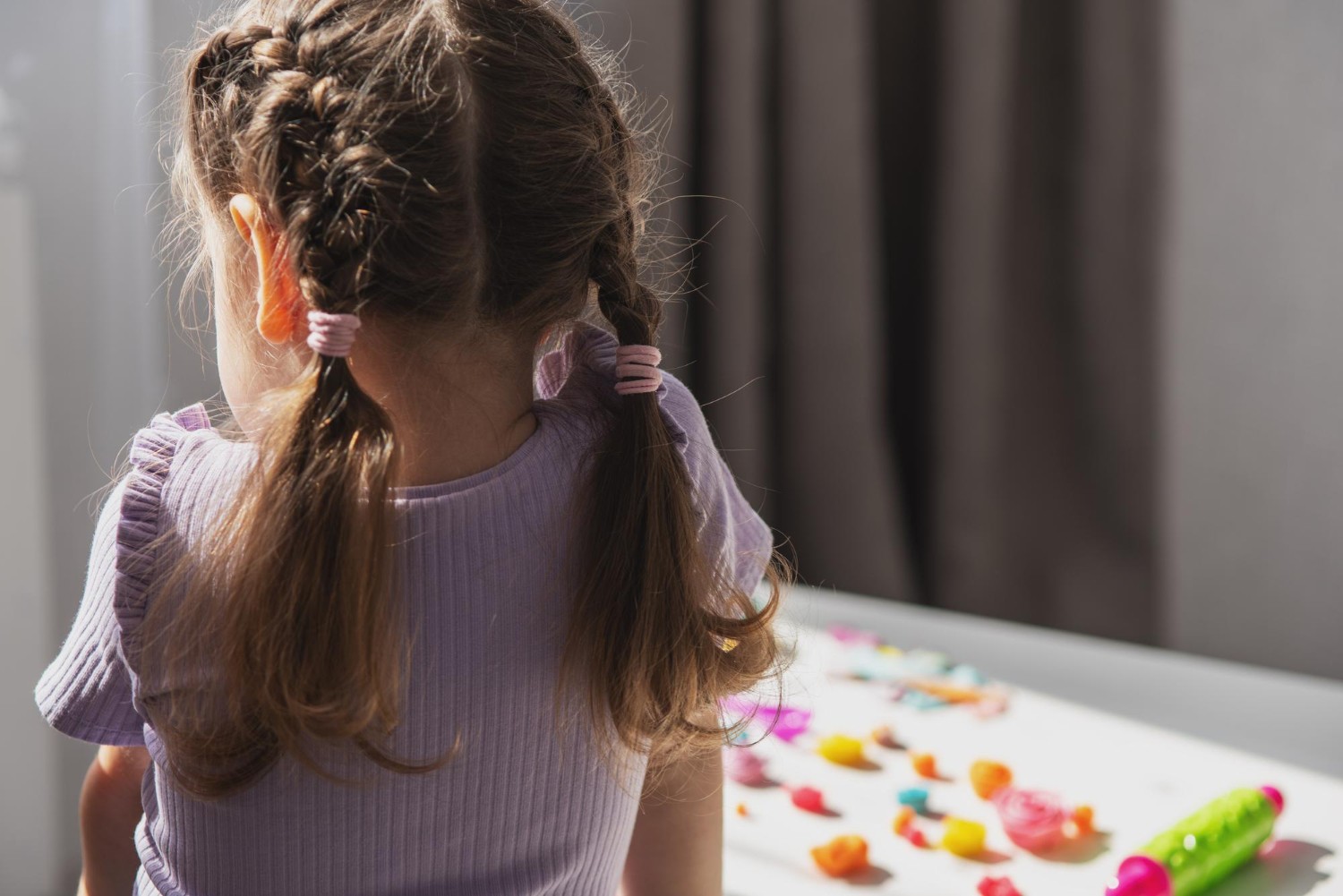
Goals of Child Mental Health
Child mental health is an essential part of healthy development and is not simply the absence of a mental health disorder. It includes emotional and social development, learning, relationships, coping skills, and the ability to function in ways that are appropriate for the child's age and developmental stage.
A child's mental well-being is influenced by relationships with parents and caregivers, the home and school environment, life experiences, and the availability of safety, stability, belonging, and support. Promoting mental health therefore starts with creating environments in which children can develop, learn, communicate, and feel secure.
This guide explains the main goals of child mental health, children's psychological and emotional needs, protective and risk factors, the role of families and schools, and signs that may indicate a need for professional support.
What Is Child Mental Health?
Mental health in childhood includes reaching developmental and emotional milestones, learning healthy social skills, forming secure relationships, and developing the ability to cope with age-appropriate challenges.
Good mental health does not mean that a child is happy at all times or never feels fear, sadness, frustration, or anger. These emotions are part of normal development. The goal is to help children gradually understand, express, and regulate their emotions.
7 Key Goals of Child Mental Health
1. Support Healthy Emotional Development
An important goal is helping children recognize and communicate emotions such as happiness, sadness, fear, frustration, and anger.
As children develop, they gradually learn emotional regulation, impulse control, and ways to cope with disappointment.
2. Develop Social Skills
Healthy development includes learning how to communicate, cooperate, share, respect boundaries, form friendships, and manage conflict.
Development varies between children, so social skills should always be considered in relation to age and individual differences.
3. Build Safety and Confidence
Safe and stable relationships with caregivers can help children feel that support is available when they need it.
Building confidence does not require constant praise. Realistic encouragement, recognition of effort, and opportunities to learn from mistakes are more useful.
4. Build Coping and Problem-Solving Skills
Mental health promotion helps children develop ways to respond to age-appropriate difficulties rather than having adults remove every challenge for them.
This may include asking for help, trying different solutions, learning from mistakes, and recovering after disappointment.
5. Support Learning and Everyday Functioning
Mental well-being is connected with a child's ability to participate in learning, play, family life, friendships, and other everyday activities.
6. Reduce Risk and Strengthen Protective Factors
Not every mental health difficulty can be prevented, but supportive relationships, safe environments, anti-bullying efforts, and access to appropriate care can strengthen protective factors and reduce some risks.
7. Identify Difficulties Early
Another goal is recognizing persistent changes in mood, behavior, relationships, or functioning and arranging professional assessment when those changes interfere with the child's life.
Children's Core Psychological and Emotional Needs
- Love and acceptance: feeling valued without having to be perfect.
- Safety and stability: protection from violence, neglect, and persistent fear.
- Attention and listening: having opportunities to communicate thoughts and feelings.
- Realistic encouragement: recognizing effort and development rather than constant comparison.
- Clear and consistent boundaries: age-appropriate expectations and rules.
- Play and exploration: opportunities to learn, play, experiment, and interact.
- Belonging: positive connections with family, peers, school, and community.
- Gradual independence: opportunities to make age-appropriate choices and take responsibility.
How Can Parents Support a Child's Mental Health?
- Listen without mocking or dismissing feelings.
- Show affection and attention in age-appropriate ways.
- Talk openly about emotions.
- Maintain predictable routines where possible.
- Use clear boundaries without violence or humiliation.
- Encourage play, activity, learning, and social connection.
- Avoid constant comparisons with siblings or peers.
- Notice persistent changes in sleep, school performance, behavior, or relationships.
- Seek professional support when difficulties persist or significantly affect functioning.
Factors That Affect a Child's Mental Health
Child mental health is influenced by interacting individual, family, social, and environmental factors rather than one single cause.
Family Relationships
Stable and supportive relationships can be protective, while severe conflict, violence, neglect, or persistent instability may increase psychological stress.
School and Peer Relationships
School can provide belonging, learning, and support, while bullying, social isolation, severe pressure, or unsafe environments may negatively affect well-being.
Adversity and Trauma
Violence, abuse, bereavement, displacement, accidents, or disasters may increase the risk of mental health difficulties. However, children respond differently, and exposure to a difficult event does not mean that a disorder will inevitably develop.
Social and Economic Conditions
Poverty, unstable housing or food access, and difficulty obtaining essential services can place additional stress on children and families.
Physical Health and Neurodevelopment
Chronic illness, disability, and some neurodevelopmental or neurological conditions can affect psychological and social needs and may require additional support.
Sleep, Activity, and Daily Routines
Adequate sleep, physical activity, regular routines, and balanced nutrition support general health and can form part of an environment that supports mental well-being, but they are not stand-alone treatments for mental disorders.
Digital Environments
Technology can support learning and social connection, but cyberbullying, harmful content, or patterns of use that significantly interfere with sleep, school, or relationships can become sources of stress.
The Role of School in Child Mental Health
Schools can support children's mental health by promoting safety, belonging, positive relationships, anti-bullying measures, and social-emotional learning.
Teachers can notice changes in behavior, academic performance, or social interaction and communicate concerns to families or support teams. Diagnosis and treatment, however, should be provided by appropriately qualified professionals.
Supporting a Child After a Difficult or Traumatic Experience
After an accident, bereavement, disaster, or frightening event, children may temporarily show changes in mood, sleep, or behavior.
- Restore safety and routine where possible.
- Allow the child to express feelings without forcing them to talk.
- Explain events in age-appropriate language.
- Avoid blaming the child for emotional reactions.
- Maintain sleep, meals, school, and ordinary activities where possible.
- Seek professional support if symptoms persist or become severe.
Signs That May Require Professional Support
Temporary changes in mood or behavior are common in childhood. Professional evaluation becomes more important when difficulties are persistent, severe, or interfere with everyday life.
- Persistent and severe sadness or anxiety.
- Major ongoing changes in behavior.
- Marked withdrawal from friends or family.
- Significant and persistent decline in school performance.
- Severe or ongoing sleep or eating problems.
- Aggressive or dangerous behavior.
- Persistent symptoms after a traumatic experience.
- Talking about death, self-harm, or not wanting to live.
If there is an immediate risk that a child may harm themselves or someone else, seek local emergency assistance immediately.
Frequently Asked Questions About Child Mental Health
What Are the Main Goals of Child Mental Health?
Key goals include supporting emotional and social development, safety, relationships, coping and problem-solving skills, learning and functioning, reducing risk factors, and identifying difficulties early.
What Are Children's Most Important Psychological Needs?
Children benefit from safe and stable relationships, love and acceptance, listening, appropriate boundaries, play, learning, belonging, encouragement, and increasing age-appropriate independence.
What Are Signs of Good Mental Health in a Child?
Positive signs can include the ability to learn, play, form relationships, express emotions, and cope with age-appropriate challenges, while recognizing that development varies between children.
Does Every Behavioral Change Mean a Mental Health Problem?
No. Many changes are temporary or developmentally expected. Concern increases when symptoms persist, become severe, or substantially interfere with the child's daily life.
What Is the School's Role in Child Mental Health?
Schools can provide safety, belonging, positive relationships, anti-bullying measures, social-emotional learning, and early recognition of changes that may require communication with families or specialists.
When Should a Child See a Mental Health Professional?
Professional assessment should be considered when persistent changes in emotions, behavior, sleep, school performance, or relationships cause significant distress or interfere with functioning, or when self-harm or safety concerns are present.
Conclusion
The main goals of child mental health are to support healthy emotional, social, and cognitive development, help children build secure relationships, develop coping skills, and function effectively at home, school, and in their communities.
These goals are supported by safe family and school environments, attentive listening, age-appropriate boundaries, positive relationships, and early support when persistent problems appear.
Not every difficulty requires mental health treatment, but persistent or severe symptoms that interfere with a child's life deserve professional evaluation rather than self-diagnosis.
Start Now
If you want to develop your knowledge of child psychology, family counseling, childhood mental health conditions, and ways to support children and families, review the IGTS Child Mental Health Master and compare it with your educational and professional goals.
Child Mental Health Master Contact Us via WhatsAppUpdated at: 2026-10-05 10:15:26