
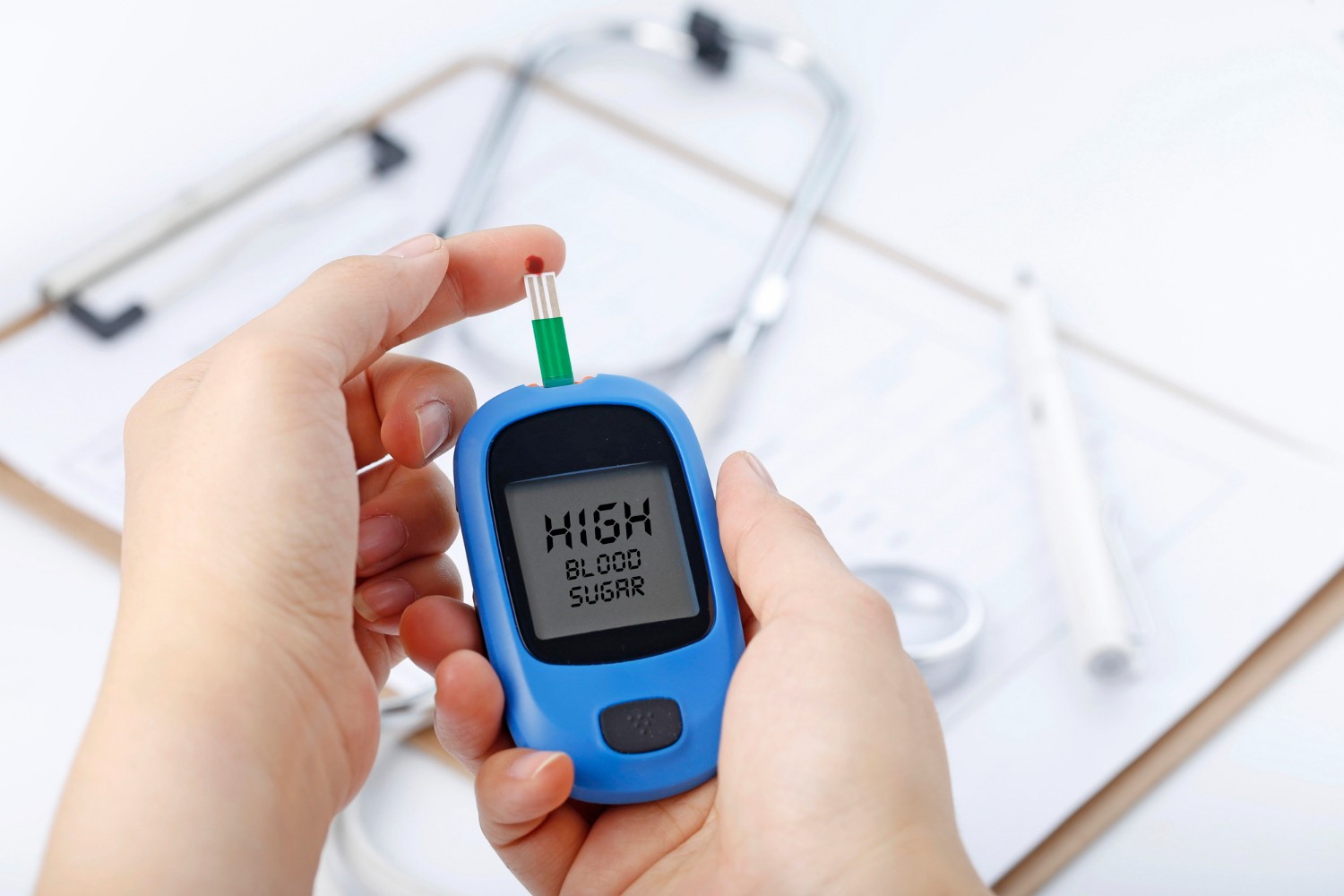
Diabetes Nutrition: Therapeutic Diet Tips for Patients
A person develops diabetes as a result of high blood glucose levels. This happens when the body does not produce enough insulin, which is the hormone needed to help regulate blood sugar. In this article, we will learn about diabetes, its symptoms, complications, treatment methods, and the role of therapeutic nutrition for diabetes patients.
Glucose is the main source of energy in the human body. It is usually released after eating, then the pancreas produces insulin, the hormone responsible for allowing glucose to enter the cells so the body can benefit from it.
In diabetes, blood glucose levels rise because insulin is not produced, or is produced in insufficient amounts. As a result, glucose accumulates in the blood and cannot enter the cells properly.
Diabetes is a chronic condition that requires continuous follow-up. There is no treatment that completely eliminates it in all cases, but it can be controlled and the risk of complications can be reduced through medications prescribed by the doctor, following a suitable diet, and monitoring blood sugar levels regularly.
Symptoms of Diabetes
Diabetes symptoms may vary from one person to another. They may appear gradually or clearly depending on the type of diabetes and the blood glucose level. The most common symptoms include:
- Increased urination, especially at night.
- Feeling extremely thirsty most of the time.
- Unexplained weight loss.
- Constant feeling of hunger.
- Blurred vision.
- Numbness in the hands and feet.
- Feeling tired and exhausted.
- Dry skin.
- Slow wound healing.
- Frequent infections.
- Low sexual desire in men.
- Erectile dysfunction.
- Vaginal infections in women.
- Reduced physical strength in men.
- Urinary tract infections and increased itching in women.
- Mood changes, such as severe irritability at times.
Complications of Diabetes
If the patient does not take medication in the correct doses or does not follow the prescribed diet, this may increase the risk of developing some health complications, including:
- Heart disease.
- Peripheral neuropathy.
- Kidney failure.
- Some eye problems.
- Diabetic foot.
- Dryness and inflammation of the skin.
- Hearing problems.
- In some cases, diabetes may be associated with an increased risk of memory and cognitive problems.
Diabetes Treatment
There is more than one type of diabetes, so treatment methods differ according to the type of diabetes and the patient’s condition. The appropriate treatment is determined by the treating doctor after diagnosis and follow-up.
- Type 1 diabetes: It is usually treated with insulin injections, and the appropriate type and dose are determined by the treating doctor.
- Type 2 diabetes: It may be treated with tablets that help reduce blood glucose levels, and many patients need to lose excess weight and follow a healthy diet.
- Gestational diabetes: A pregnant woman may develop diabetes during pregnancy. Treatment may require careful nutritional follow-up or insulin use depending on the case, and many cases often improve after delivery with medical follow-up.
Important Notice
Diabetes medications or insulin doses should not be changed or stopped without consulting a specialist doctor, because this may lead to dangerously high or low blood sugar levels.
Therapeutic Nutrition for Diabetes Patients
Therapeutic nutrition plays an important role in controlling diabetes alongside medication and medical follow-up. It helps regulate blood glucose levels, reduce the risk of complications, and improve the patient’s quality of life.
Therapeutic nutrition for diabetes patients usually depends on following a suitable diet that includes:
- Increasing the number of meals while reducing portion sizes according to the patient’s condition.
- Eating more vegetables, suitable types of fruits, and whole grains.
- Reducing full-fat dairy products and choosing low-fat or fat-free dairy products when needed.
- Eating suitable protein sources such as fish, poultry, and lean red meat.
- Using olive oil in suitable amounts and reducing saturated fats and fried foods.
- Reducing simple carbohydrates and sugars.
- Paying attention to physical exercise according to the doctor’s recommendation.
- Measuring blood glucose levels regularly according to the doctor’s instructions.
Start Now
Develop your knowledge of therapeutic nutrition and its role in supporting diabetes patients through IGTS content and training programs.
References
Updated at: 2026-10-05 11:56:29