
Therapeutic Nutrition for Crohn’s Disease Patients
Therapeutic Nutrition for Crohn’s Disease Patients
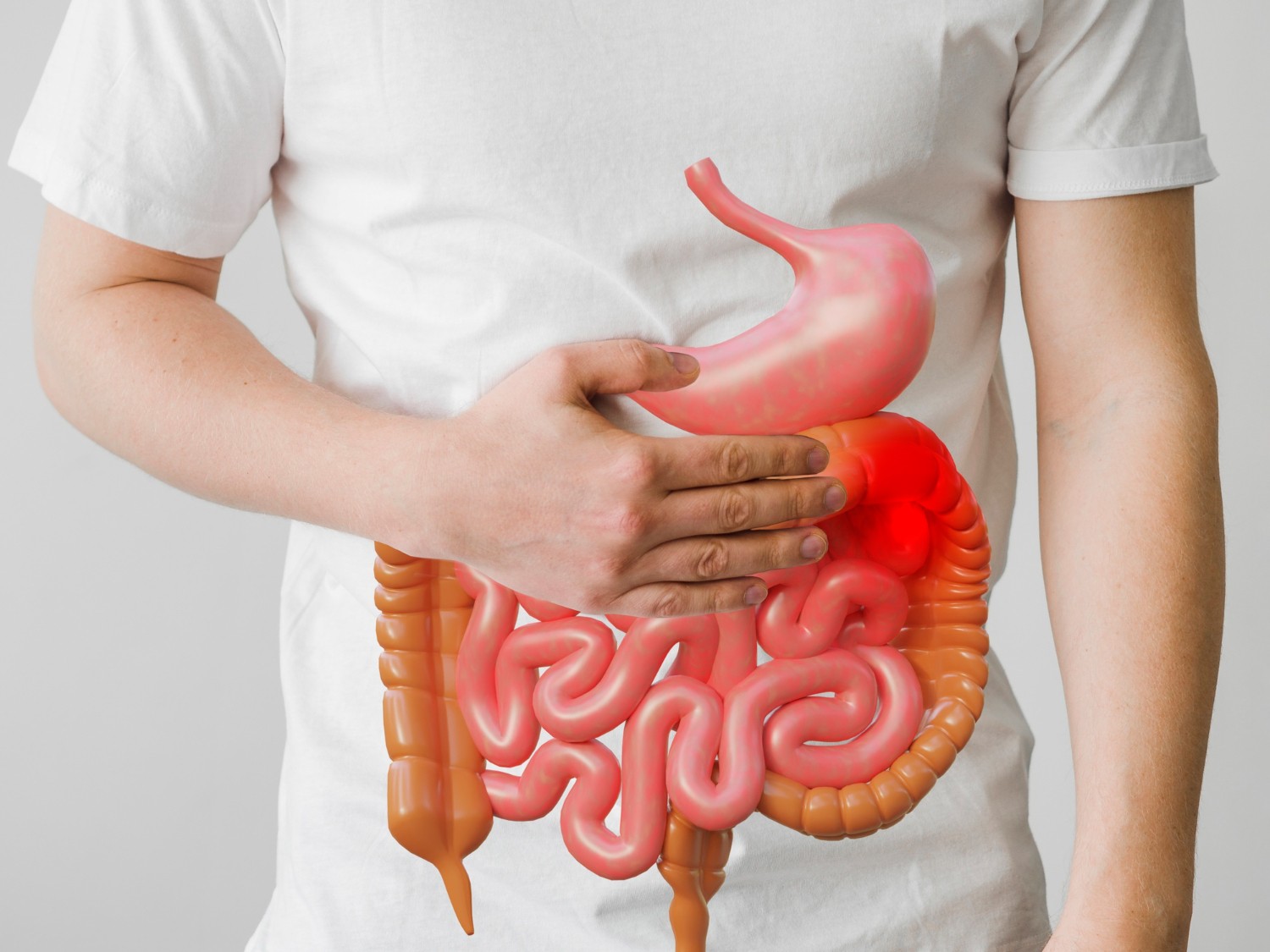
Crohn’s disease is a chronic condition that causes inflammation in the digestive system. It can affect any part of the digestive tract, from the mouth to the anus, but in most cases, it affects the small intestine and the beginning of the large intestine.
Crohn’s disease is one of the types of inflammatory bowel disease. Patients may need continuous medical follow-up, along with paying attention to a diet suitable for their condition. In this article, we will learn about therapeutic nutrition for people who suffer from Crohn’s disease.
Symptoms of Crohn’s Disease
Crohn’s disease symptoms may vary from one person to another depending on the location and severity of inflammation. The most common symptoms may include:
- Sudden or frequent diarrhea.
- Abdominal cramps and pain, especially on the right side of the abdomen.
- Blood in the stool in some cases.
- Fatigue and exhaustion.
- Weight loss.
- High body temperature.
- Joint pain.
- Eye redness.
- Painful red spots appearing on the legs.
- Mouth ulcers.
Causes of Crohn’s Disease
The main cause of Crohn’s disease has not been fully identified yet. However, researchers believe it may be linked to an abnormal immune system response, where the immune system attacks the cells of the digestive tract in an unusual way.
Genetic factors may also play a role in increasing the risk of developing Crohn’s disease, especially if there is a family history of inflammatory bowel disease.
Factors That Increase the Risk of Crohn’s Disease
There are some factors that may increase the risk of developing Crohn’s disease or worsen symptoms, including:
- Young age, as many cases appear at an early age.
- A family history of Crohn’s disease or inflammatory bowel disease.
- Smoking.
- Excessive use of some painkillers without consulting a doctor.
Complications of Crohn’s Disease
If Crohn’s disease is not treated or properly monitored, the patient may be at risk of developing some health complications, including:
- Bowel obstruction: This may occur because inflammation affects the thickness of the intestinal wall and causes narrowing over time.
- Fistula: An abnormal connection that may occur between the intestine and the skin, or between the intestine and other organs, and it may require urgent medical intervention.
- Anal fissure.
- Malnutrition due to diarrhea, cramps, and difficulty absorbing nutrients.
- Anemia due to iron deficiency or vitamin B12 deficiency.
- An increased risk of colon cancer in some cases, although this is uncommon.
- Skin inflammation, osteoporosis, or arthritis.
- Some liver or gallbladder diseases.
- An increased risk of blood clots in veins or arteries.
Diagnosis of Crohn’s Disease
Diagnosing Crohn’s disease may be difficult in some cases because its symptoms can resemble those of other conditions. Therefore, the doctor may request a set of tests to reach the correct diagnosis, such as:
- Blood tests to check whether the patient has anemia or infection.
- Colonoscopy to help with diagnosis and examine the intestines from the inside.
- Stool analysis to detect parasites, bacteria, or blood in the stool.
- Abdominal CT scan in some cases.
- Abdominal MRI to diagnose some complications such as fistulas.
Treatment of Crohn’s Disease
Treatment of Crohn’s disease depends on the severity of the condition, the location of inflammation, and the presence of any complications. Therefore, treatment should be carried out under the supervision of a specialist doctor and may include medications that help reduce inflammation and control symptoms.
Treatments that a doctor may use depending on the case include:
- Anti-inflammatory medications or corticosteroids for limited periods according to the doctor’s instructions.
- Some medications that affect immune system activity in certain cases.
- Antibiotics when an abscess, fistula, or associated infection is present.
- Medications that help control diarrhea and reduce the risk of dehydration.
- Suitable pain relievers determined by the doctor according to the case.
- Iron or vitamin B12 supplements when anemia or a clear deficiency is present.
- Surgery in some cases that do not respond to drug treatment or when complications such as fistulas, abscesses, or damage to part of the intestine occur.
Important Notice
Crohn’s disease medications should not be used, stopped, or changed without consulting a doctor, because the treatment plan differs according to disease severity, the location of inflammation, and the patient’s health condition.
Therapeutic Nutrition Methods for Crohn’s Disease Patients
Therapeutic nutrition plays an important role in supporting Crohn’s disease patients, especially because the disease may affect nutrient absorption and may cause diarrhea or weight loss. The appropriate diet should be chosen according to the patient’s condition and the stage of the disease, whether symptoms are active or in remission.
Some of the most important dietary guidelines that may help Crohn’s disease patients include:
- Drinking plenty of water and fluids to reduce the risk of dehydration.
- Increasing the number of meals while reducing portion sizes.
- Avoiding carbonated drinks.
- Stopping smoking.
- Reducing fats, coffee, and tea if they worsen symptoms.
- Avoiding foods that increase irritation or bloating according to the body’s response.
Foods That May Need to Be Reduced During Active Symptoms
- Dairy products if they increase diarrhea or bloating.
- Corn, lentils, and beans.
- Broccoli, cabbage, and onions.
- Spicy foods and fast food.
- Nuts and whole grains.
- High-fiber foods during active symptoms.
- Red meat if it is difficult for the patient to digest.
Foods That May Be Suitable for Some Crohn’s Disease Patients
- White bread, pasta, and white rice during active symptoms.
- Bananas and watermelon.
- Poultry and eggs.
- Fish such as sardines, salmon, and tuna.
- Some easy-to-digest foods depending on the patient’s tolerance.
- Yogurt if it is suitable for the patient and does not worsen symptoms.
Suitable foods differ from one patient to another, so it is important to monitor symptoms after eating and consult a nutrition specialist to create a safe and appropriate nutrition plan.
Start Now
Develop your knowledge of therapeutic nutrition and its role in supporting Crohn’s disease patients and digestive system diseases through IGTS content and training programs.
References
Updated at: 2026-10-05 20:28:09