
الفئات
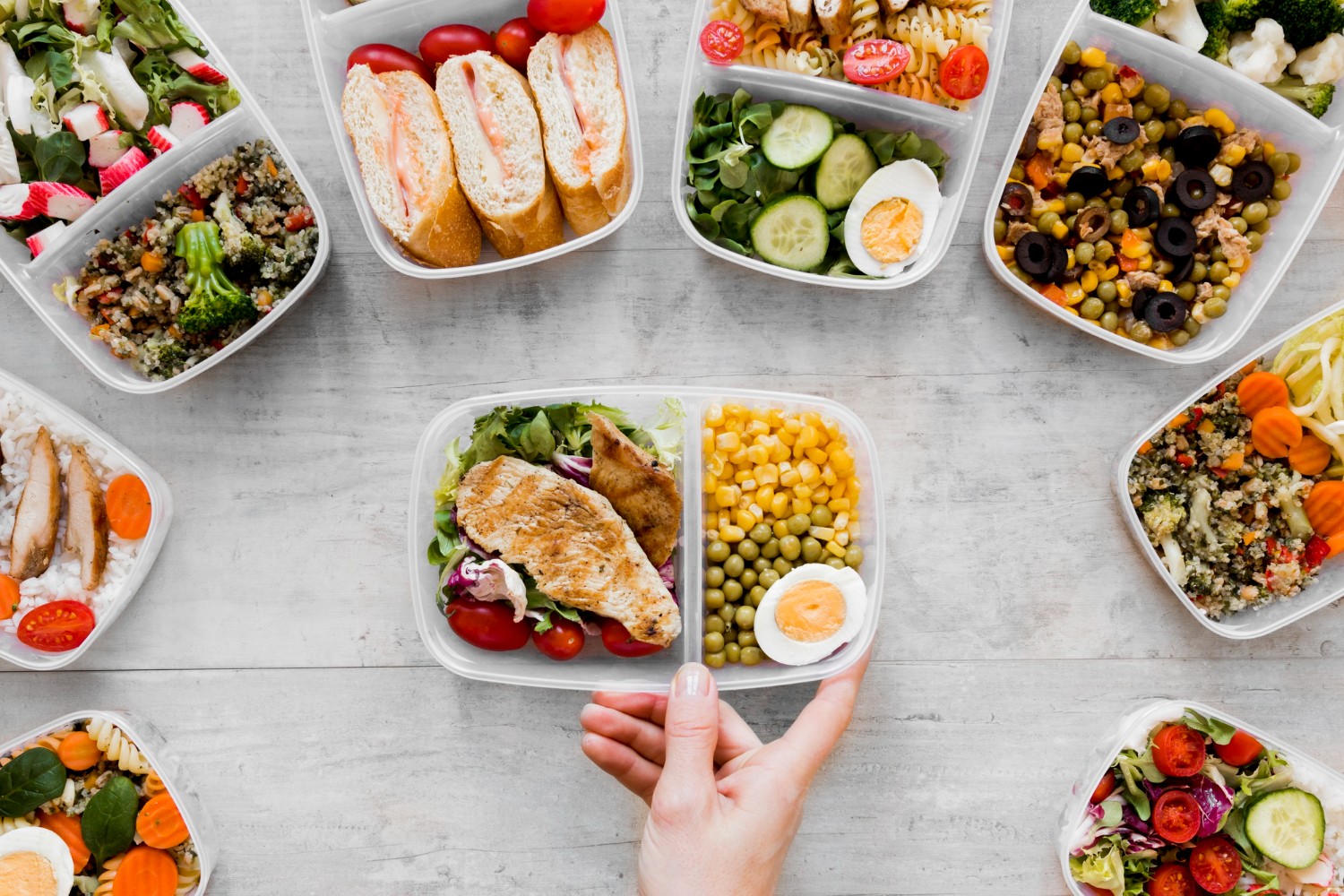
عدد الوجبات المناسبة التي يجب تناولها خلال اليوم
يمكن أن تقضي يومك بكل نشاط وحيوية دون أن تصاب بنسبة من الخمول والكسل وعدم النشاط، وذلك من خلال تحديد عدد الوجبات المناسبة التي يجب تناولها خلال اليوم، ويتم ذلك للحفاظ على وزنك وعدم الإصابة ببعض الأمراض التي تحدث نتيجة الإفراط في تناول الطعام، أو الامتناع عن تناول الطعام، وفي السطور الآتية سوف نذكر لكم كيفية تنظيم الوجبات وعدد الوجبات المناسبة لك على مدار اليوم.
عدد الوجبات المناسبة التي يجب تناولها خلال اليوم
الكثير يتساءل عن عدد الوجبات المناسبة التي يجب تناولها خلال اليوم، ولكن نحن نجد أن كل جسم يختلف عن الآخر من حيث احتياجاته، حيث أن بعض الأشخاص نجدها تعاني من أمراض خطيرة تلزمها بتحديد عدد الوجبات الخاصة بها، واختيار أنواع معينة من الاطعمة وعدم تناول أطعمة محددة لكي لا تلحق به الضرر، لذا فإن ذكر نظام غذائي محدد يتم وضعه بناء على حالة معينة وليس من السهل أن ينطبق على الجميع فبعض الأشخاص نجدها يتناولون وجبتين فقط على مدار اليوم، بالإضافة إلى أن البعض الآخر يفضل تناول ٦ وجبات يوميا أو ثلاث وجبات.
النظام الغذائي المكون من وجبتين
يوجد نظام غذائي معين يسمح لك بتناول عدد ٢ وجبة على مدار اليوم الواحد، ولا يوجد ميعاد محدد لتناول هاتين الوجبتين فيمكن تناولهم في اي وقت ومتى أراد الفرد وشعر بالجوع، وفي الغالب يتناول الأشخاص الوجبة الأولى في الإفطار، وتكون الوجبة الثانية في الغذاء ويمتنعون عن تناول وجبة العشاء، ويعد هذا النظام من الأنظمة الأكثر اتباعا من قبل الأشخاص التي ترغب في فقدان الوزن والحصول على وزن مثالي، وذلك لأن الوجبتين في اليوم لا تجعل الجسم يحصل على قدر كبير من السعرات الحرارية.
النظام الغذائي المكون من ست وجبات
هذا النظام يسمح لك أن تتناول حوالي ٦ وجبات يوميا على مدار اليوم، ويكون الفارق الزمني بين كل وجبة والأخرى حوالي ساعتين فقط، ويمكن أن يكون هذا النظام صحي ومفيد للأشخاص التي ترغب في عمل رجيم وخسارة الوزن وذلك في حال اذا قللت كمية الطعام التي تتناولها في كل وجبة من هذه الوجبات السته، بالإضافة إلى أنها تساعد في تنوع الطعام الذي تتناوله وتجعلك لا تشعر بالجوع سريعا ويمكن أيضا أن يتبعه الأشخاص الذين يعانون من نقص الوزن في حين قامت بزيادة كمية الطعام المحددة في كل وجبة.
النظام الغذائي المكون من ثلاث وجبات
يتناول الكثير من الأفراد ثلاث وجبات على مدار اليوم، وتكون هذه الوجبات ثابتة فتكون وجبة في الإفطار ووجبة في الغداء ووجبة أخرى في العشاء.
نصائح من أجل تقسيم الوجبات الغذائية
من السهل جدا أن تقسم الوجبات الخاصة بك على مدار اليوم، وذلك من خلال القيام بالآتي:-
-
وجبة الإفطار
وجبة الإفطار تساهم في جعل الإنسان يشعر بالطاقة والحيوية والنشاط، وينصح بتناول هذه الوجبة في الصباح الباكر ويفضل تناول الفاكهة وبعض الألياف والبروتينات في هذه الوجبة لكي تمنحه الطاقة والنشاط وأن يتمكن من مواصلة يومه دون الشعور بالكسل لو الخمول، بالإضافة إلى أنها تجعله في أوج تركيزه.
-
وجبة خفيفة في الصباح
ينصح بتناول بعض الأكلات الخفيفة بين وجبة الإفطار والغداء وذلك ليس إجباري أو فرض فيتم اللجوء لهذه الوجبة في حين الشعور بالجوع، ويفضل أن تكون وجبة خفيفة جدا تحتوي على نوع من الفاكهة أو سندوتش من الجبنة البيضاء ليس أكثر من ذلك.
-
وجبة الغداء
وجبة الغداء وجبة أساسية ينصح بتحديد بعض الأطعمة الغنية بقيمة غذائية مرتفعة، ويجب أن تحتوي على السلطة الخضراء، بالإضافة إلى تناول نوع من الفراخ أو اللحوم الحمراء، بالإضافة إلى نوع من أنواع الكربوهيدرات الصحية، وتناول كميات معقولة من الطعام دون الإفراط.
-
وجبة خفيفة في الظهيرة
هذه الوجبة يجب أن تكون خفيفة ولا تحتوي على أي نوع من أنواع الطعام الدسم، ويتم اللجوء لها في حال شعر الفرد برغبته في تناول الطعام، ويفضل أن يتم الحد من تناول الطعام فيها.
-
وجبة العشاء
بعض الأشخاص نجدها يستهلك قدر كبير من الطعام في هذه الوجبة، وذلك لأنهم قد يتكاسلون عن تناول وجبة الغذاء فيتم يتناول العديد من الأطعمة في هذه الوجبة، ولكن ينصح بضرورة تقسيم الأطباق إلى أربعة أنواع من الطعام طبق يحتوي على السلطة وأنواع الخضروات الاخرى، وطبق يحتوي على البروتينات وطبق يحتوي على النشويات.
أفكار لتحضير الوجبات الغذائية السريعة والخفيفة
إليكم بعض الأفكار التي يمكن استنباطها من أجل تجهيزها في أوقات العمل أو تواجدك في مكان لا يسمح لك بتحضير بعض الوجبات الغذائية الأخرى:-
- يمكنك أن تأخذ معك أنواع عديدة من الفواكه مثل الموز والتفاح والبرتقال فهي من الأشياء السهل حملها وفي نفس الوقت تحتوي على قيمة غذائية عالية.
- ضيف إلى بوكس الطعام الخاص بك أنواع من الخضروات الطازجة مثل الخيار والجزر والكرفس والخس.
- اجعل ضمن نظامك الغذائي البروتينات مثل المكسرات وغيرها من أنواع البروتينات المختلفة.
💡 اقرأ أيضًا:
الأكل بين الوجبات
تضاربت الأقوال حول تناول الفرد أطعمة معينة بين الوجبات وبعضها البعض، حيث أن البعض أشار إلى فائدتها في أنها تقلل لدى الفرد الإحساس بالجوع سريعا، فضلا عن أن البعض الآخر أكد على أنها ضارة في حالات معينة، لذا قررنا أن نذكر لكم بعض النصائح في حين أقبلت على تناول اكلات محددة بين الوجبات وذلك على هذا النحو:-
- أن تتناول أطعمة محددة لا تزيد عدد السعرات الحرارية الموجودة فيها عن 200 سعر حراري.
- يفضل أن تكون من بين هذه الوجبات البروتين، وذلك لأنه يعزز لديك الشعور بعدم الجوع.
- بالنسبة للشخص الرياضي يفضل تناول ثلاث وجبات خفيفة فقط على مدار اليوم.
- امتنع عن تناول الأكلات التي تحتوي على نسبة كبيرة من السكر وذلك لأنه يعزز لديك الشعور بالجوع سريعا، بالإضافة إلى أنه يقلل لديك الشعور بالحماس والنشاط.
نصائح لتسريع عملية حرق الدهون
يوجد العديد من العوامل التي تساهم في عملية حرق الدهون، ويمكنك الاطلاع على هذه النصائح التي تجعلك تخسر الكثير من الدهون:-
- عليك أن تستمر على تمارين المقاومة وتمارين الهوائية وذلك لأنها تزيد من حجم الكتلة العضلية، بالإضافة إلى أنها تعمل على حرق الدهون.
- الاعتماد على نظام غذائي يحتوي على نسبة كبيرة من البروتينات، وذلك لأن الجسم يحتاج إلى معدل كبير من البروتين، فضلا عن أنه يساهم في حرق الدهون ويساهم في جعل الشخص لا يرغب في تناول المزيد من الطعام بجانب زيادته للكتلة العضلية.
- الحصول على قدر كبير من النوم، حيث أن أقل عدد ساعات للنوم في الليل هو ٨ ساعات كحد أدنى.
- أكثر من تناول الدهون الصحية في الوجبات الخاصة بك.
- احرص على تناول القهوة والشاي الأخضر واليانسون.
- ابتعد عن تناول العصائر المحلاة بالسكر والمشروبات الغازية.
- اعتمد الأطعمة التي تحتوي على نسبة عالية من الألياف، وتجنب تناول الأطعمة الغنية بالكربوهيدرات المكررة الموجودة في المعكرونة والخبز.
- احرص على تناول الشعير والشوفان.
💡 شاهد أيضًا:
ابدأ الآن
ابدأ رحلتك في التغذية الرياضية وتعرف على أفضل الأنظمة الغذائية لتنظيم الوجبات وتحسين صحتك
معرض الفيديو
تاريخ اخر تحديث: 2026-10-05 12:53:18