
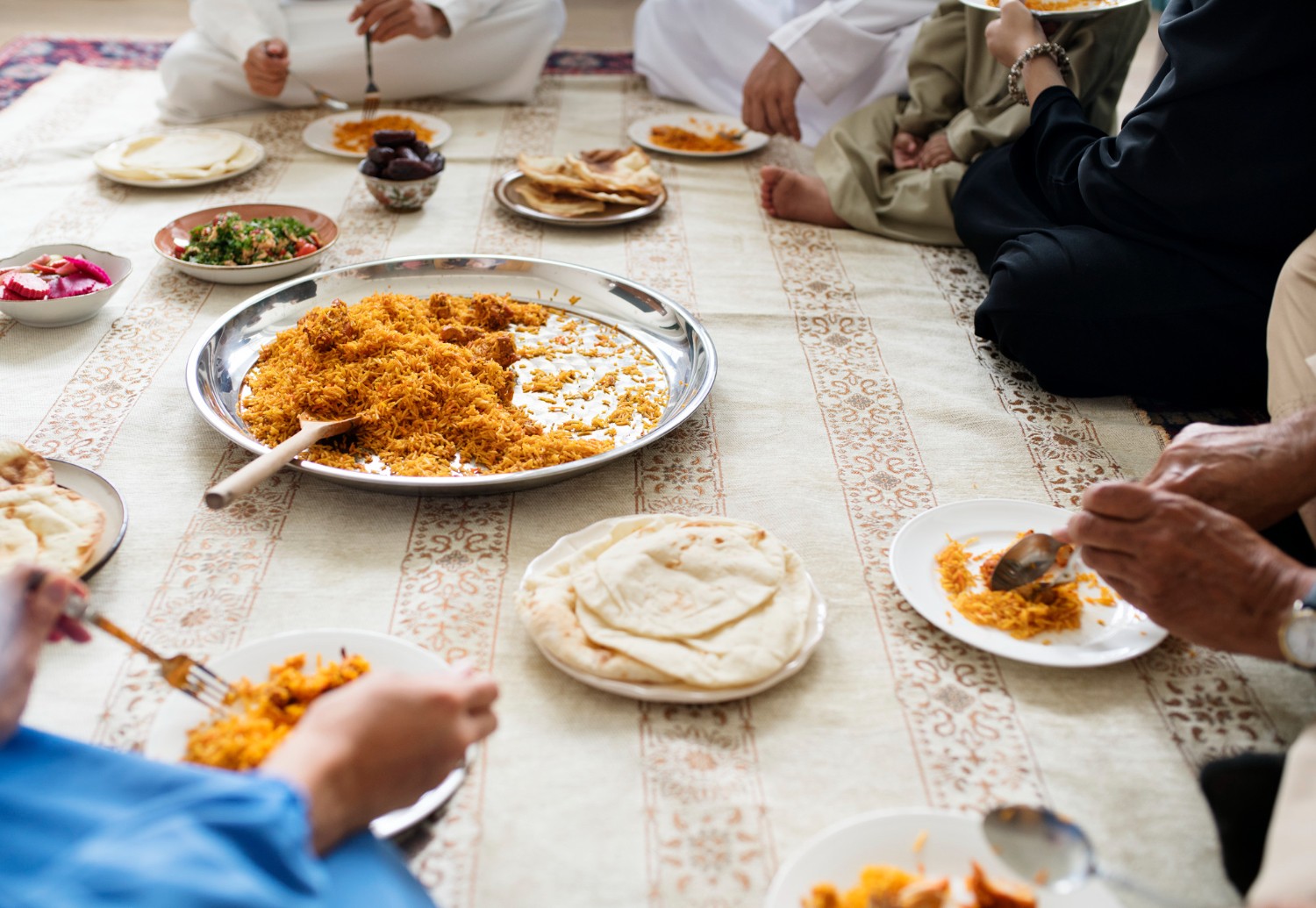
أسس التغذية الصحية في رمضان
الصيام في رمضان فرض أقره الله سبحانه وتعالى على جميع المسلمين، حيث أن الصيام يبدأ من طلوع الفجر وحتى آذان المغرب وفيه يمتنع المسلمون عن الشراب والطعام وعن كل فعل يغضب الله عز وجل، فضلا عن أن الصائم يتحلى بالصبر والمحبة والتسامح والتعاون والشعور بالغير من أجل أن يأخذ أجر الصيام كاملا، وخلال شهر رمضان نجد أن الجميع يسأل عن أسس التغذية الصحيحة في رمضان، ودورها في الحفاظ على الصحة العامة للجسم.
أسس التغذية الصحية في رمضان
التغذية السليمة هي العمود الراسخ والأساسي من أجل أن تحيا حياة صحية سليمة ومتوازنة، ولكن الأمر تزداد أهميته بشكل خاص في شهر رمضان المعظم، لذا دوما ما ينصح المختصين المسلمين بضرورة تغيير نظام الشرب والاكل الخاص بهم خلال هذا الشهر مع ضرورة الاطلاع على أسس التغذية الصحية في رمضان، والاهتمام بكمية الطعام المحددة والتي يحتاج لها الجسم خلال فترة الصيام، لذا من الضروري التخطيط المستمر والجيد للأكلات التي تحافظ على صحتك خلال شهر رمضان، ولابد وأن يتضمن الإفطار الخاص بك بعض أنواع البقوليات بالإضافة إلى تناول الأسماك والدجاج، وفي وجبة السحور اكتفي بتناول بعض منتجات الألبان الخفيفة والقليل من الخضروات والفاكهة الطازجة مع مراعاة تعويض الجسم بكمية وفيرة من الماء لكي لا تصاب بالجفاف والابتعاد عن الأطعمة التي تضر الجهاز الهضمي والغير مفيدة، ويمكنك الاستفادة بهذه النصائح وإعداد هذه الأطعمة على وجبة الإفطار:-
الحساء
يفضل تناول أنواع الشوربة المختلفة التي لا تحتوي على أي نوع من أنواع الدهون، ومثال ذلك شوربة الخضار الغنية بالألياف والفيتامينات، والامتناع عن تناول أنواع الحساء المختلفة الموجودة في بعض المحلات وذلك لأنها تحتوي على قدر كبير من الملح وتفتقر لوجود الألياف الغذائية والفيتامينات بها.
الطبق الرئيسي
يفضل أن يتم تجهيز طبق رئيسي على الإفطار مكون من قطعة من اللحم الأحمر خالي الدسم، بالإضافة إلى طبق صغير من الأرز أو المكرونة، بالإضافة إلى طبق السلطة الغني بالعديد من أنواع الخضروات المختلفة وتجنب القيام بشراء أنواع السلطات التي تحتوي على النشويات مثل الذرة أو البطاطا.
المقبلات
ينصح بتجنب تناول المقبلات وعدم الاعتماد عليها كوجبة أساسية على الافطار، وتتمثل المقبلات في المعجنات التي تحتوي على حشوة مكونة من اللحم أو ميكسات مختلفة من الجبن.
الحلويات
لقد ربط الأشخاص بين شهر رمضان وإعداد الكثير من أصناف الحلويات التي تحتوي على نسبة كبيرة من السكر، بغض الطرف عن تأثيرها السلبي على الصحة، لذا وجب التنويه عن ضرورة الحد منها وتقليل استهلاكها نوعا ما، بالإضافة إلى ضرورة اتباع هذه الإرشادات الآتية:-
- يمكنك استبدال القطايف المقلية بالمشوية في الفرن، وذلك للحد من نسبة الدهون التي تتواجد فيها.
- استخدم الشربات المخفف بدلا من الشربات العادى المركز.
- حاول قدر الإمكان أن تقوم بإعداد الحلويات في المنزل لكي تتحكم في نسبة السكر وبعض المكونات الداخلة فيها، بالإضافة إلى التحكم في كمية الحلويات التي تتناولها.
- اكتفي بتناول الحلويات مرتين فقط على مدار الأسبوع، وكميات قليلة.
اقرأ ايضاً: أكلات صحية في شهر رمضان
العلاقة بين التغذية الصحية والجداول الزمنية في رمضان؟!
لكي تحقق التوازن المطلوب خلال شهر رمضان بين نظامك الغذائي ومواصلة الدراسة الخاصة بك أو عملك يتطلب منك الالتزام ببعض التعليمات المحددة والاهتمام ببعض الأطعمة وعدم إهمال وجبة الإفطار أو السحور، ولكي تتمكن من الحفاظ على تركيزك عليك أن تتبع هذه الارشادات التالية خلال شهر الصيام:-
هل تود احتراف علم التغذية العلاجية؟
انضم الآن لأكثر من 30 دورة تدريبية متخصصة في التغذية مع IGTS، وابدأ رحلتك المهنية بشهادات معتمدة دولياً.
تصفح كافة دورات التغذية العلاجية تواصل معنا عبر واتسابأفضل الأطعمة لتحسين التركيز في رمضان
إليكم بعض الأطعمة التي يمكنك تناولها في شهر رمضان، و تندرج ضمن أسس التغذية السليمة في شهر الصوم، ويمكن ذكرها على هذا النحو:-
الحبوب الكاملة
الحبوب الكاملة غنية بالكربوهيدرات والألياف التي تجعلك في حالة من النشاط والتركيز أثناء فترة الصيام فهي تمدك بالطاقة اللازمة للجسم، وتتمثل الحبوب الكاملة في الأرز والشعير والقمح.
البروتينات
أن البروتينات هي العنصر الأساسي الذي يساعد في التجديد الخلوي وتجعلك تشعر بالشبع سريعا ومن ثم ضبط مستوى السكر في الدم، ويمكنك الحصول على البروتينات من خلال تناول اللحوم البيضاء والاسماك والبيض ومنتجات الألبان.
الفواكه والخضروات
الخضروات والفواكه تحتوي على نسبة كبيرة من المعادن والفيتامينات التي تجعل الفرد قادر على التركيز، بالإضافة إلى تعزيز صحة الدماغ، ويمكنك تناول بعض أنواع الخضروات مثل الجزر والسبانخ والبنجر والخيار، بالإضافة إلى تناول الفاكهة الطازجة المتمثلة في البرتقال والبطيخ والتفاح، والموز.
الأطعمة الغنية بالدهون الصحية
خلايا الدماغ في حاجة دائمة إلى الدهون الصحية من أجل العمل بكفاءة عالية، لذا ينصح بضرورة تناول اللوز والمكسرات والبندق والجوز بالإضافة إلى إدخال زيت الزيتون وبذور الشيا في طعامك.
السوائل
لكي لا تصاب بالجفاف عليك أن تتناول كمية كبيرة من السوائل خلال وجبة السحور والإفطار، وينصح بضرورة الإكثار من الماء بجانب تناول العصائر الطبيعية والمشروبات الدافئة.
نصائح
- احرص على تناول الأكلات الغنية بالطاقة والتي تعمل على تعزيز صحة الجسم والحفاظ على تركيز وطاقة الجسم أثناء فترة الصيام.
- تناول البروتينات والكربوهيدرات المعقدة من أجل تعزيز الصحة العامة التي تساعد في تعزيز الأداء العقلي.
- كما أن الحرص على تناول أنواع عديدة من البروتينات الصحية يساهم في تنشيط الذاكرة وحضور التركيز.
- الالتزام بإدخال الحبوب الكاملة ضمن وجبة الإفطار يساعد في جعلك قادر على مواصلة الدراسة بشكل احسن، بالإضافة إلى أنه يجعلك تشعر بالاسترخاء.
- لكي تعمل على تنظيم نسبة السكر في الدم يجب أن تتناول الفواكه والخضروات الطازجة.
- امتنع عن الأكلات الغنية بالدهون والتي تحتوي على نسبة عالية من السكريات الضارة.
- لكي تحافظ على وزنك المثالي في شهر رمضان احرص على تنظيم عدد الوجبات التي تتناولها، وتجنب العصائر المحلاة، والحلويات الغنية بالسكر.
تاريخ اخر تحديث: 2026-10-05 18:30:36